Movements, styles
and different traditions.
Explore major movements, historical styles and selected Asian schools through sourced artworks. Their histories overlap; they do not form one universal sequence.
Movements and historical styles
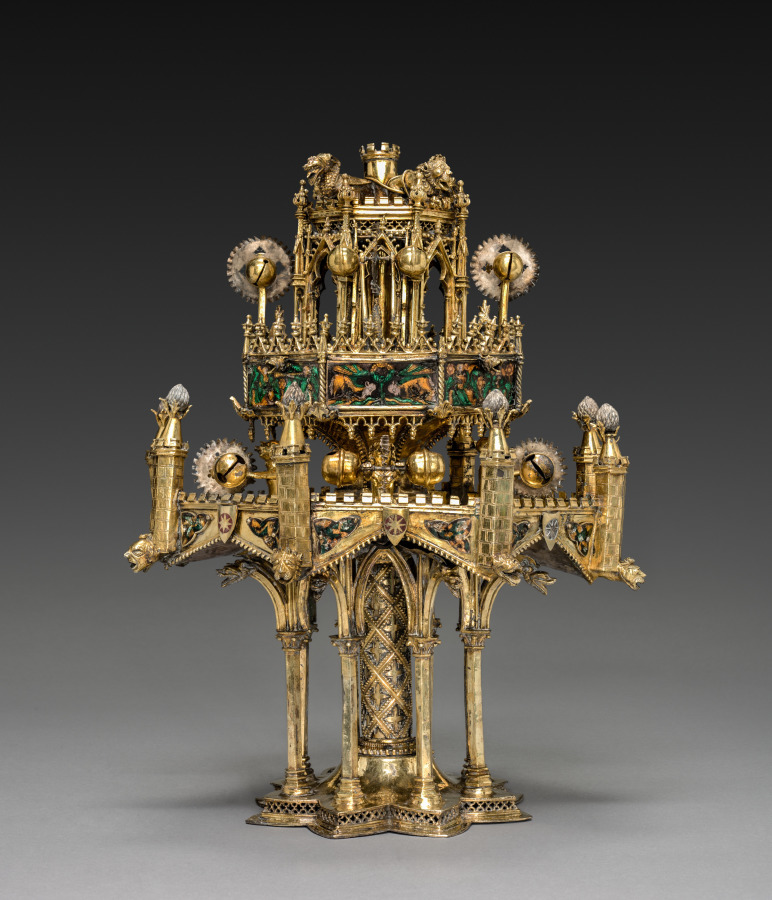
Gothic
Pointed architectural forms, elaborate surfaces and sacred subjects connect many objects made in medieval Europe. Regional Gothic practices continued into the sixteenth century.
History · Artists · Lasting influence
2 artworks in this collection
Renaissance
Artists reworked classical models while exploring bodily presence, pictorial space and new forms of patronage. Italian and northern European developments followed different paths.
History · Artists · Lasting influence
2 artworks in this collection
Mannerism
Elongated figures, intricate poses and cultivated artifice challenged expectations of balanced naturalism. The label covers varied practices across sixteenth-century European courts and workshops.
History · Artists · Lasting influence
2 artworks in this collection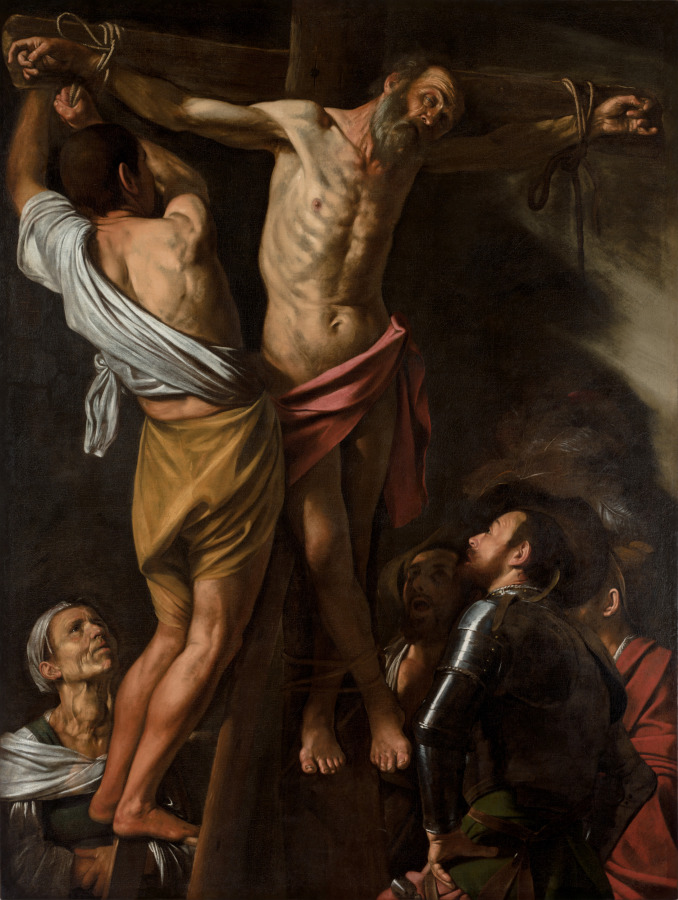
Baroque
Dramatic light, bodily movement and emotionally direct encounters animate many seventeenth-century works. Painting, sculpture and architecture often work together to involve the viewer.
History · Artists · Lasting influence
2 artworks in this collection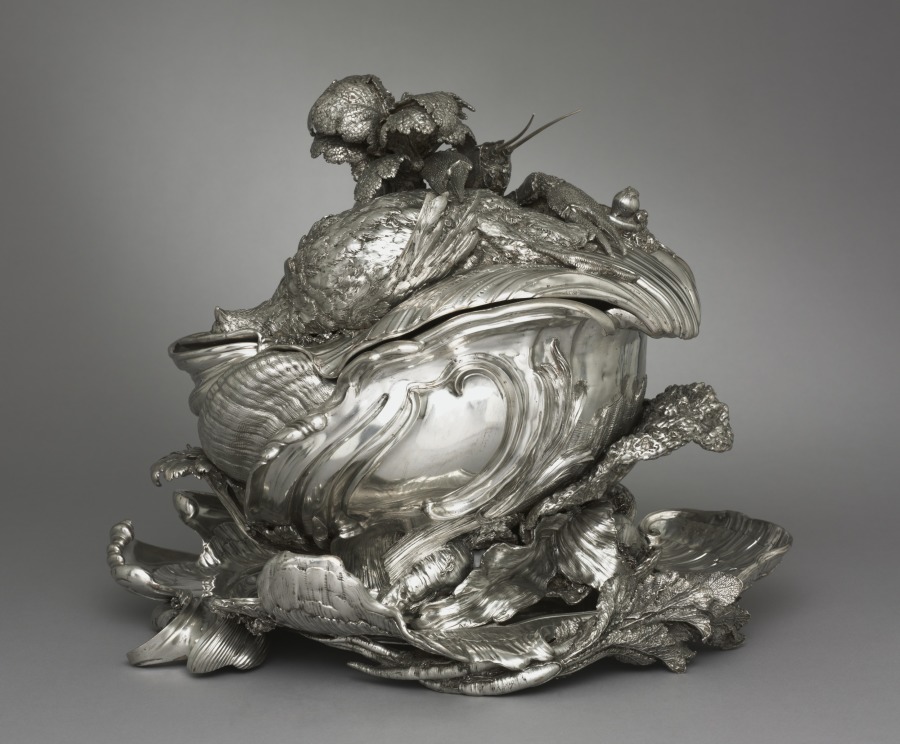
Rococo
Curving ornament, playful settings and intimate luxury shaped eighteenth-century interiors and images. Decorative objects are central to this history alongside paintings and prints.
History · Artists · Lasting influence
2 artworks in this collection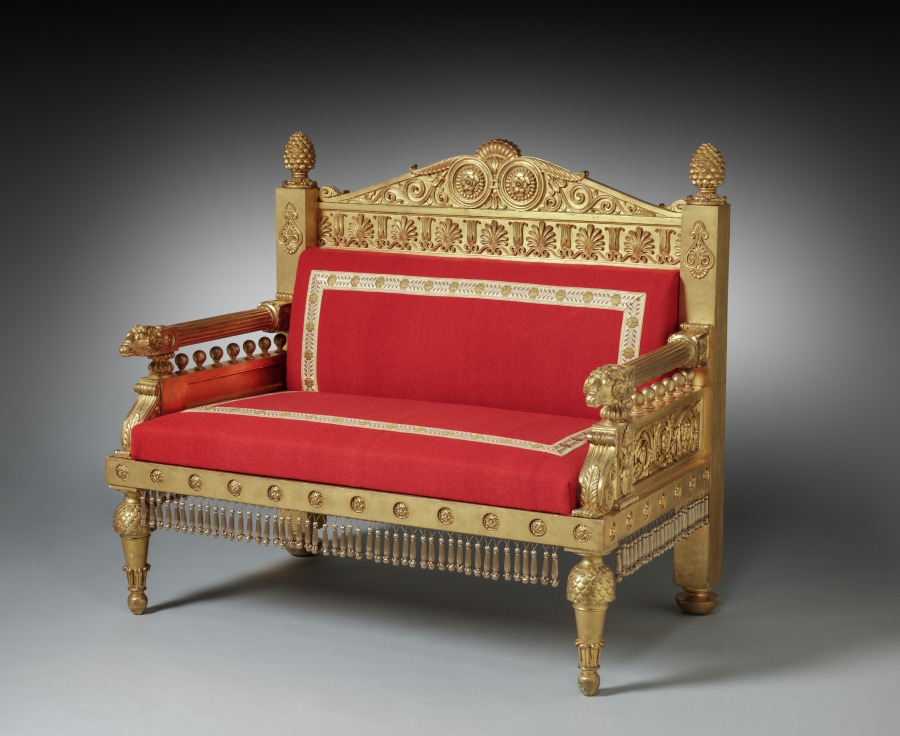
Neoclassicism
Classical antiquity offered artists and designers models of ordered composition, restrained ornament and public virtue. Archaeology and collecting helped reshape contemporary visual culture.
History · Artists · Lasting influence
2 artworks in this collection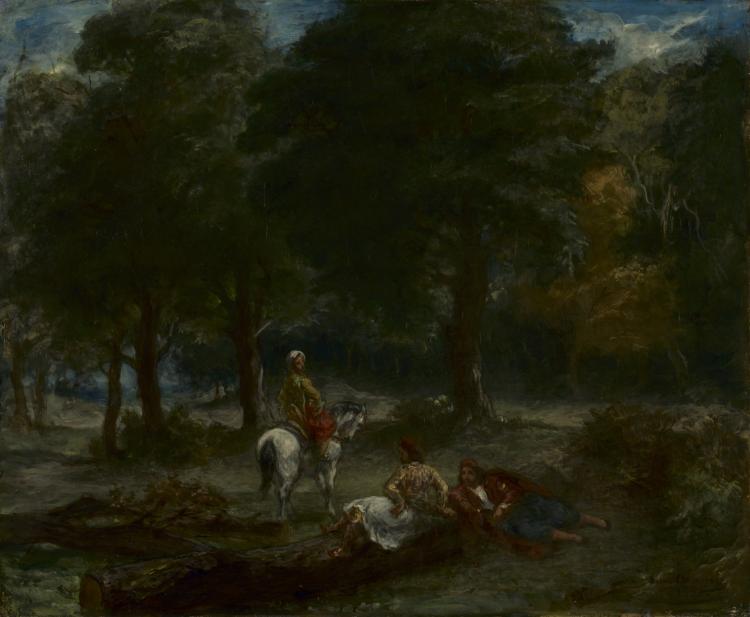
Romanticism
Emotion, imagination and encounters with nature or history unsettled academic conventions. Romanticism encompassed contrasting political positions and highly individual approaches.
History · Artists · Lasting influence
2 artworks in this collection
Realism
Ordinary people, material conditions and contemporary experience became ambitious subjects. Realism describes a historical challenge to idealization, not simply any lifelike image.
History · Artists · Lasting influence
2 artworks in this collection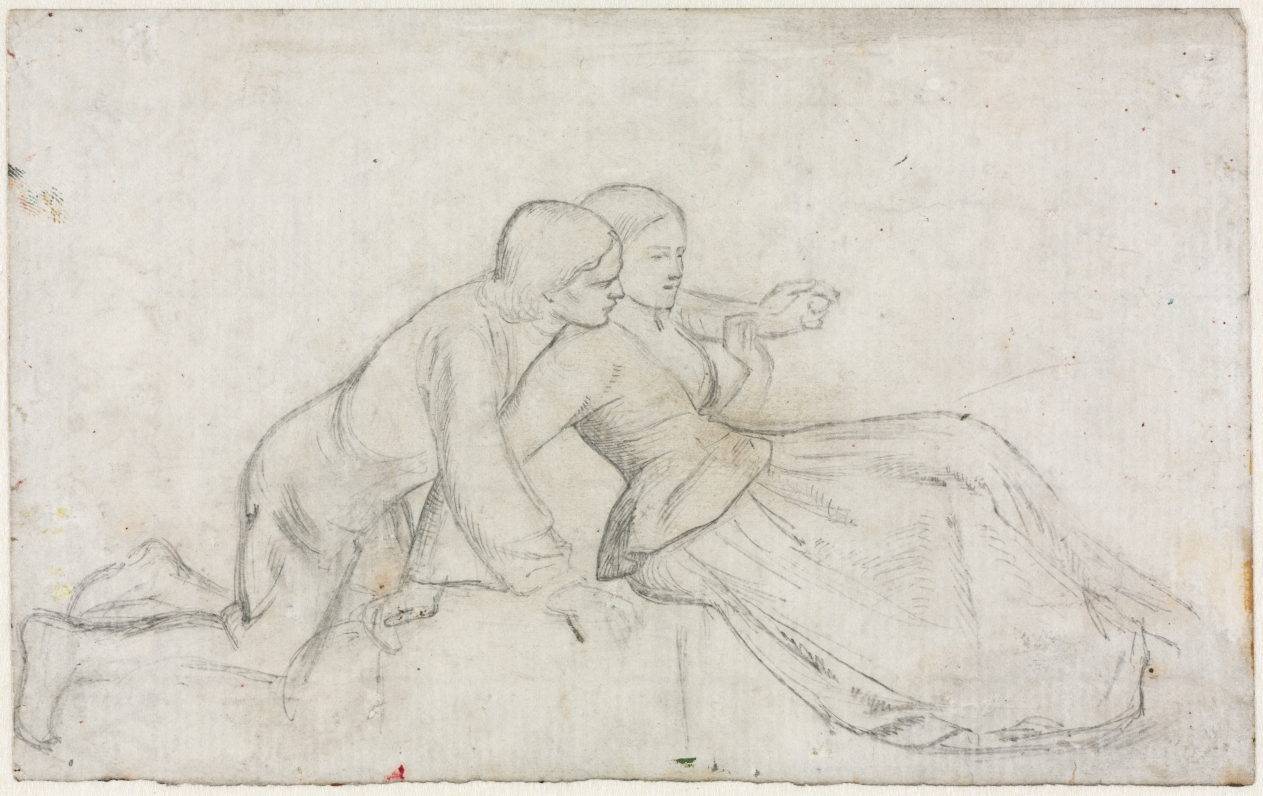
Pre-Raphaelite movement
British artists pursued vivid detail, intense colour and literary subjects while questioning academic conventions. Later associates extended the Brotherhood’s early interests in different directions.
History · Artists · Lasting influence
2 artworks in this collection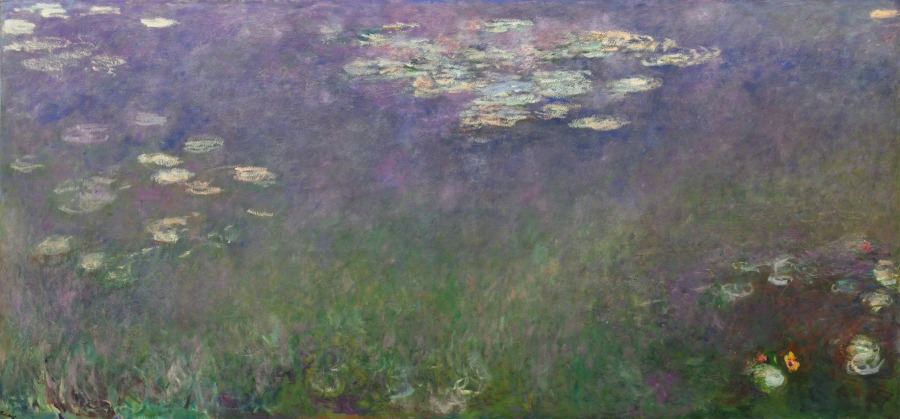
Impressionism
Broken brushwork and changing light help describe modern life, landscapes and domestic experience. Exhibitions and artistic exchanges connected a group with diverse working methods.
History · Artists · Lasting influence
18 artworks in this collection
Post-Impressionism
A later umbrella term groups distinct responses to Impressionism, from constructed form to expressive colour and symbolism. Its artists did not form one unified school.
History · Artists · Lasting influence
5 artworks in this collection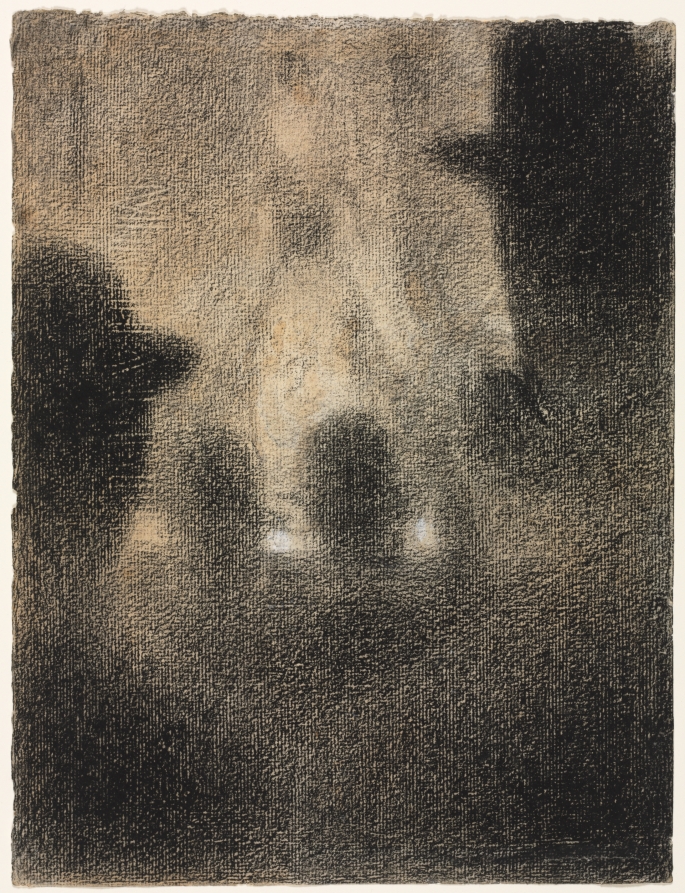
Neo-Impressionism
Separated touches of colour and carefully planned compositions explored optical mixture. Artists used these methods for very different social and decorative purposes.
History · Artists · Lasting influence
2 artworks in this collection
Symbolism
Suggestive imagery, myths and inward states take priority over straightforward description. Symbolist artists sought ways to evoke ideas and moods through forms and colour.
History · Artists · Lasting influence
2 artworks in this collection
Art Nouveau
Flowing lines and organic structures linked design, architecture and decorative arts. Workshops adapted natural motifs to modern interiors, materials and production.
History · Artists · Lasting influence
2 artworks in this collectionFauvism
Intense, independent colour and direct brushwork reshape familiar subjects. The short-lived grouping helped make colour an expressive structure rather than a descriptive tool.
History · Artists · Lasting influence
1 museum reference work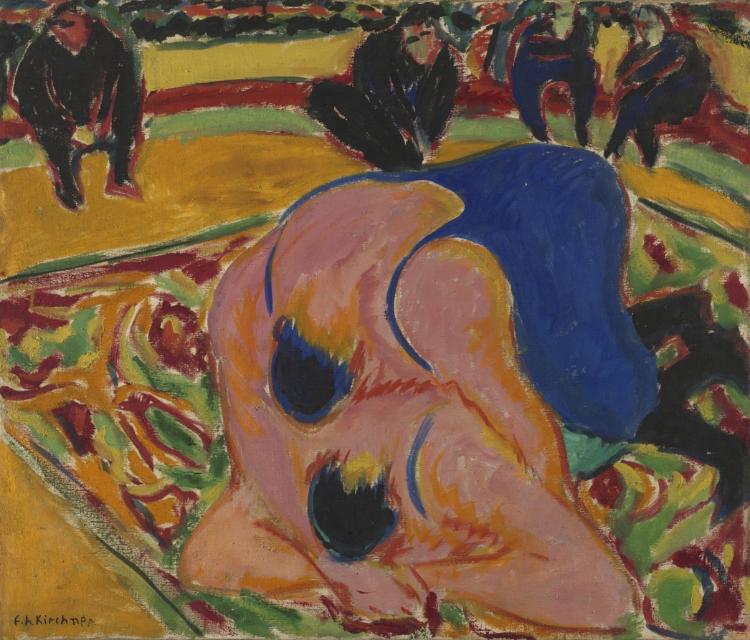
Expressionism
Distorted bodies, forceful marks and heightened colour communicate psychological or social tensions. German-speaking networks were influential, but expressive approaches travelled widely.
History · Artists · Lasting influence
2 artworks in this collection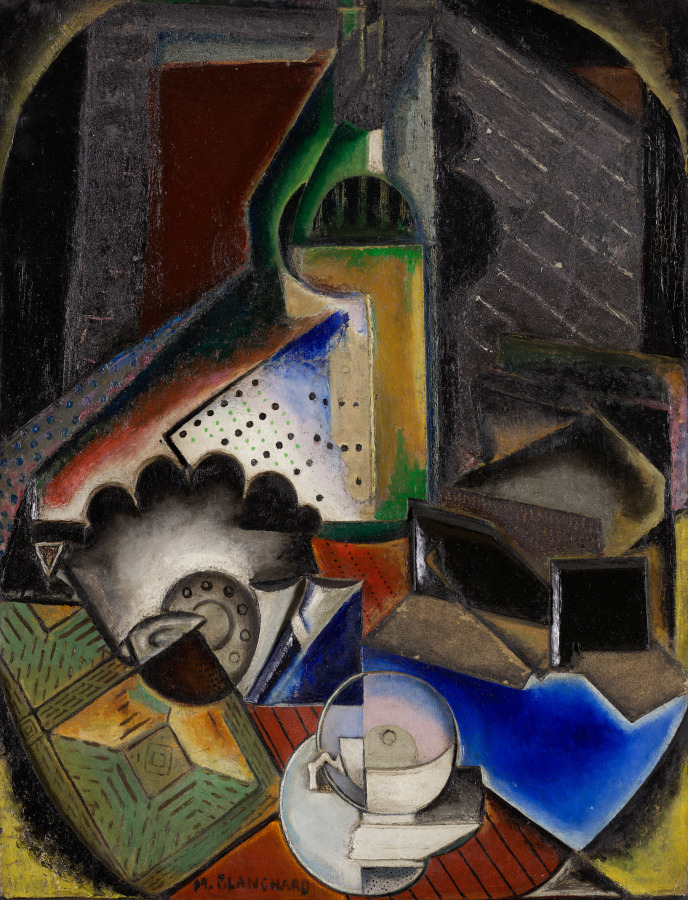
Cubism
Fragmented planes and multiple viewpoints rethink how objects occupy pictorial space. Painting, collage and sculpture questioned the single fixed viewpoint.
History · Artists · Lasting influence
2 artworks in this collectionFuturism
Speed, machines and fractured movement became subjects and compositional forces. Italian Futurist experiments also carried political commitments that deserve critical attention.
History · Artists · Lasting influence
2 museum reference worksSuprematism
Basic geometric forms and restricted colour detach painting from recognizable objects. Malevich pursued an art centred on sensation and non-objective relationships.
History · Artists · Lasting influence
1 museum reference workConstructivism
Constructed forms, industrial materials and design proposals connected artistic experimentation with social transformation. Russian and international practices developed different relationships to politics and production.
History · Artists · Lasting influence
1 museum reference work
Dada
Chance, found materials and disruptive performances challenged artistic conventions amid war and its aftermath. Different centres developed distinct forms of provocation.
History · Artists · Lasting influence
2 artworks in this collection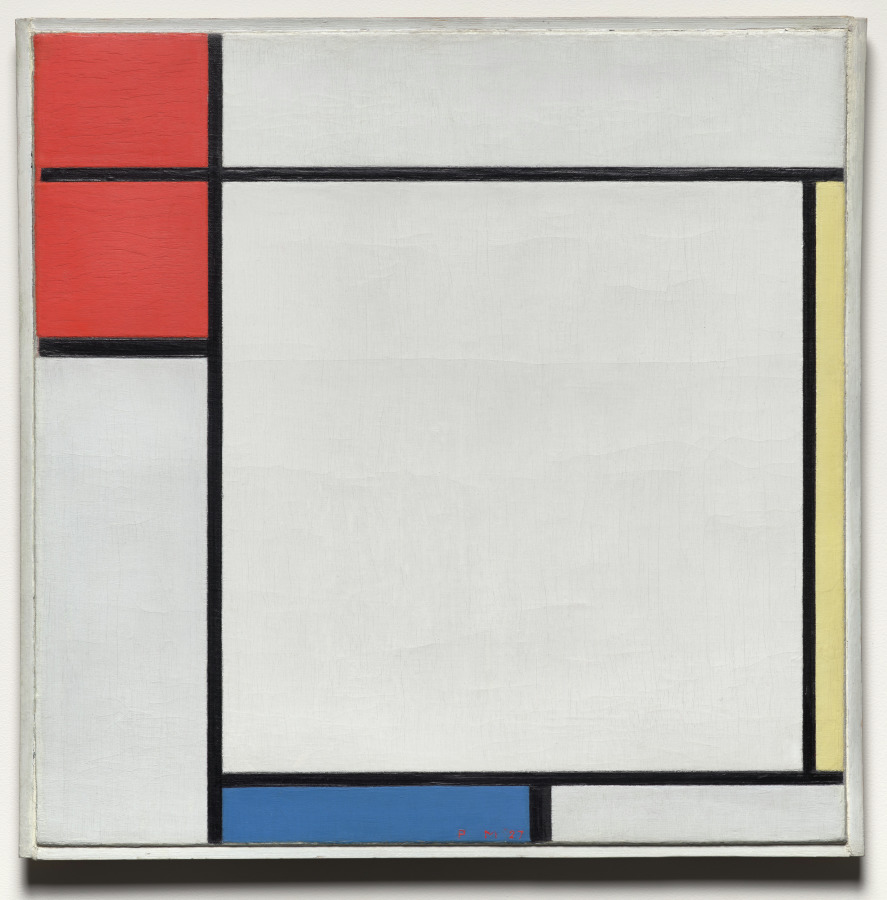
De Stijl
Grids, primary colours and pared-down relationships pursued a new visual order. Painting, architecture and design shared ambitions without becoming identical practices.
History · Artists · Lasting influence
1 artwork in this collectionSurrealism
Dreams, chance encounters and unexpected transformations opened alternatives to rational description. Artists developed diverse methods for investigating desire, the unconscious and everyday strangeness.
History · Artists · Lasting influence
1 museum reference workAbstract Expressionism
Large fields, gestural marks and varied abstract structures opened new approaches to painting. The term joins artists whose processes and ambitions remained markedly different.
History · Artists · Lasting influence
2 museum reference worksPop Art
Advertising, mass media and consumer goods became material for art. Repetition and appropriation examined the circulation of familiar images and commodities.
History · Artists · Lasting influence
2 museum reference worksMinimalism
Repeated units, industrial fabrication and simple geometries emphasize objects in real space. Meaning emerges through scale, material, placement and the viewer’s encounter.
History · Artists · Lasting influence
2 museum reference worksConceptual Art
Ideas, instructions and language can take precedence over a unique crafted object. Artists investigate how art is defined, documented, distributed and understood.
History · Artists · Lasting influence
2 museum reference worksSchools and painting traditions
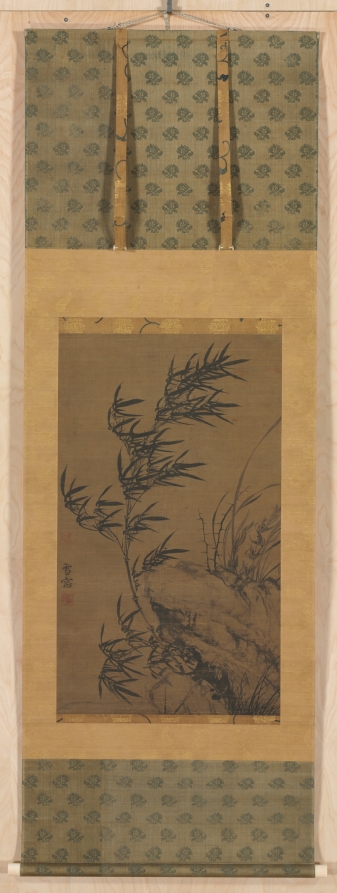
Literati painting
Brushwork, poetry and cultivated references connect painting to scholarly pursuits. Literati practice changed across periods and should not be treated as one timeless Chinese style.
History · Artists · Lasting influence
2 artworks in this collection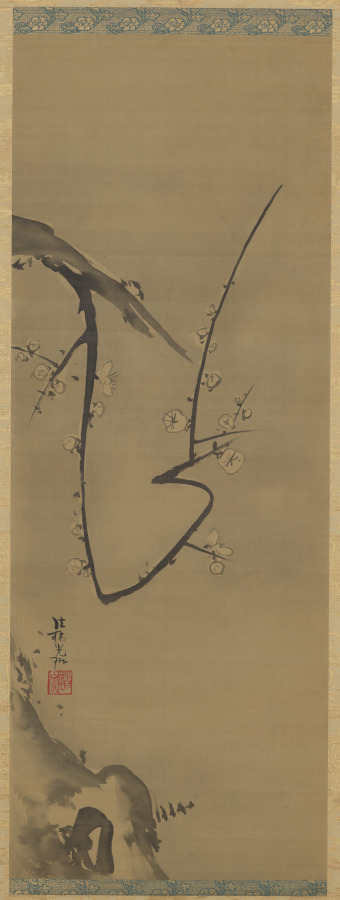
Rinpa
Decorative rhythms, stylized natural forms and literary references connect generations of Japanese artists. Later painters renewed earlier designs rather than following a single institution.
History · Artists · Lasting influence
2 artworks in this collection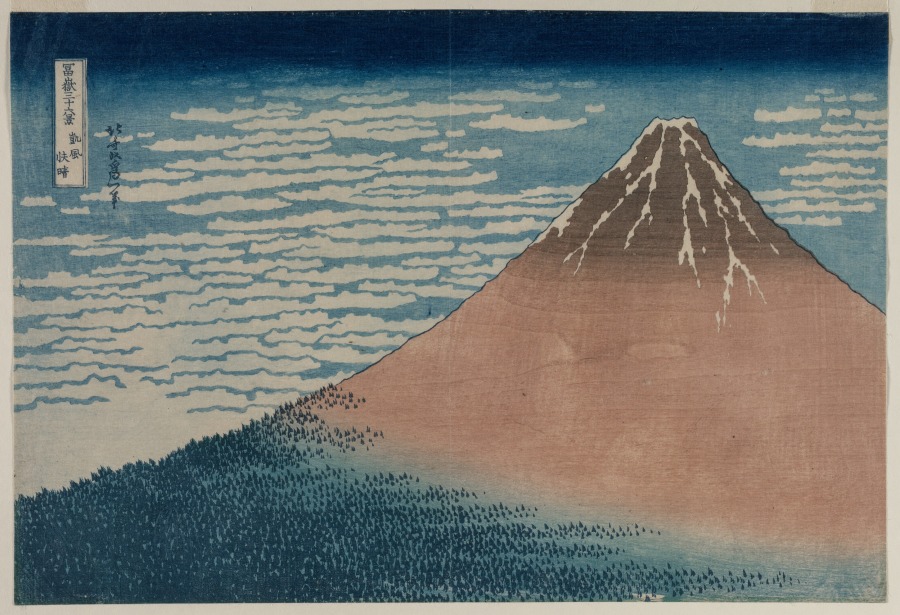
Ukiyo-e
Urban entertainment, celebrated places and everyday encounters supplied subjects for paintings and prints. Commercial printmaking depended on collaboration among designers, carvers, printers and publishers.
History · Artists · Lasting influence
2 artworks in this collection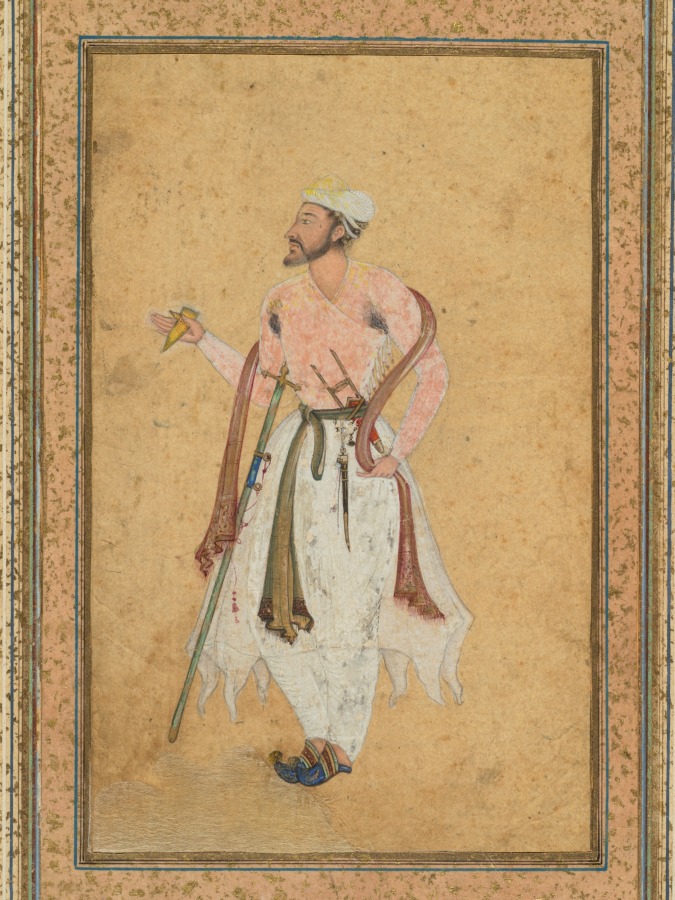
Mughal painting
Imperial workshops brought Persianate, South Asian and other visual resources into dialogue. Portraits and illustrated narratives developed through collaboration and changing court interests.
History · Artists · Lasting influence
2 artworks in this collection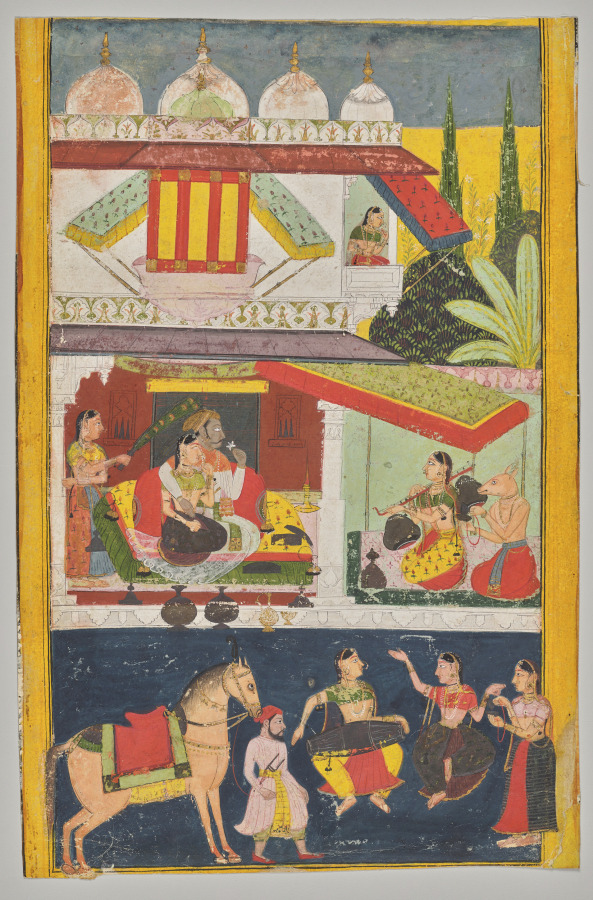
Rajput painting
Distinct court workshops developed narrative, devotional and musical imagery. This broad label covers different regional practices rather than a uniform style.
History · Artists · Lasting influence
2 artworks in this collection
Kalighat painting
Painters around Calcutta’s Kalighat temple developed swift, bold images for a changing urban market. Religious narratives and sharp social observations shared the same sheets.
History · Artists · Lasting influence
2 artworks in this collection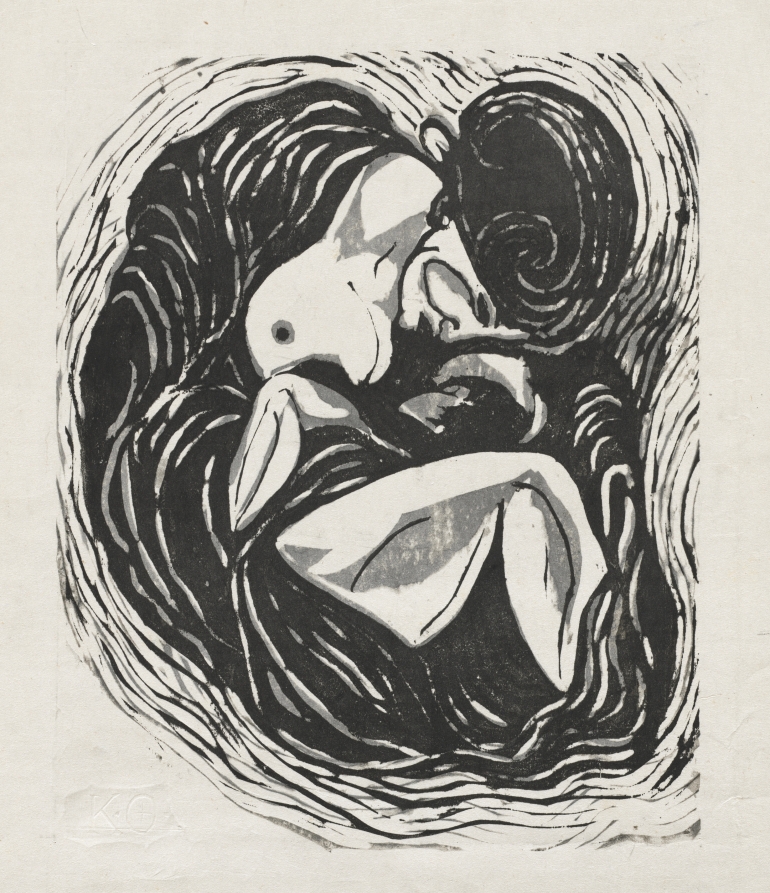
Sosaku-hanga
Japanese printmakers emphasized the artist’s direct involvement in designing, carving and printing. Individual expression challenged established divisions of labour in commercial print production.
History · Artists · Lasting influence
1 artwork in this collectionRegional collection pathways
These broad browsing pathways are not movement labels.
Dates are broad orientation points, not fixed boundaries. Artwork associations link to museum sources. Museum reference works open at the holding institution; their images are not reproduced here.