from c. 1907
Dates overlap and vary by place; they are not strict boundaries.
Movement
A movement, period and school are different kinds of historical grouping.
Associations are checked against museum records rather than assigned from dates alone.
Why it emerged
In Paris from around 1907, Picasso and Braque questioned the single viewpoint and illusionistic space inherited from European painting. Cézanne’s work and encounters with African and Oceanic objects offered resources, although those encounters were shaped by colonial collecting. Their close exchange later brought newspapers, labels and other everyday materials into pictures.
Key artists and contributions
Pablo Picasso
Fragmented figures and objects, then introduced collage to unsettle distinctions between image and thing.
Georges Braque
Developed interlocking planes and papier collé through sustained dialogue with Picasso.
Juan Gris
Gave Cubist still lifes a particularly deliberate structure and clear colour relationships.
What changed afterwards
Cubist construction and collage became resources for Constructivism, Dada and many later practices. Its influence was not simply a march toward abstraction: everyday signs and materials also reopened questions about representation and modern life.
Sources and further reading
Original educational overview, informed by the resources below. Artist examples are selective; they are not a complete membership list.
Works in this collection
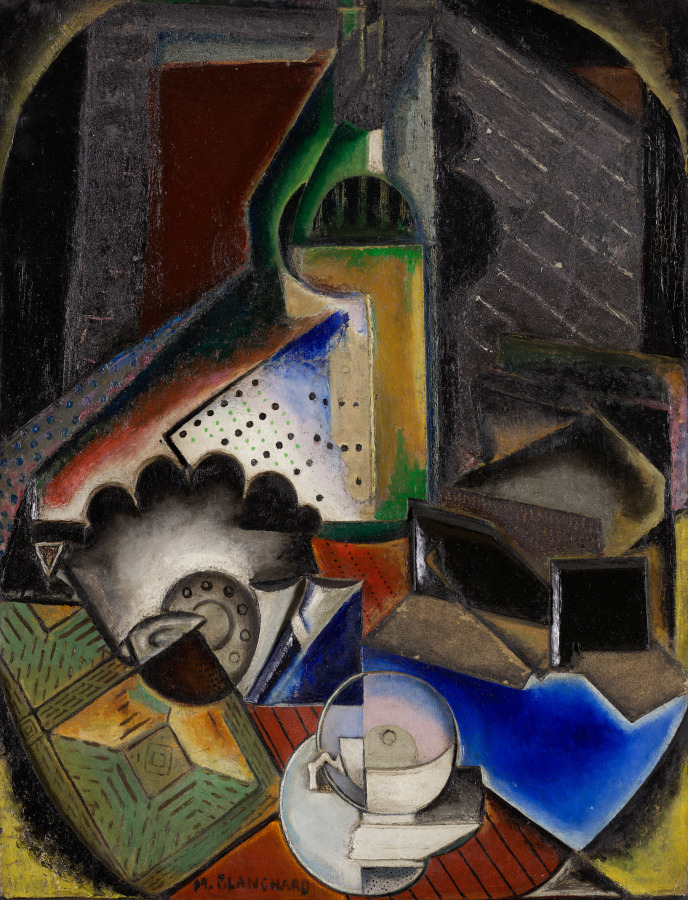 ↗
Still Life
María Blanchard
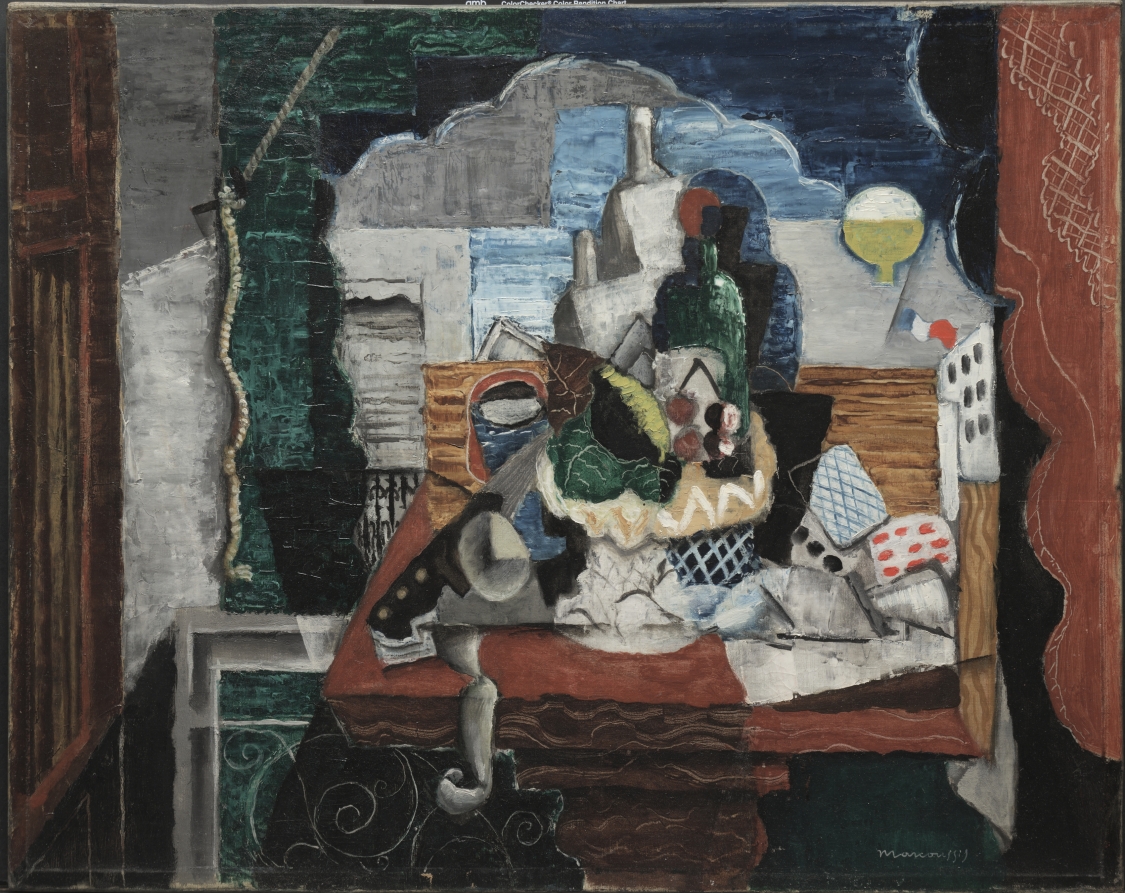 ↗
Night Café
Louis Marcoussis
Movement and school labels are interpretive tools. Individual works can cross boundaries, and an artist’s entire career is not assigned to a single movement.