c. 1500s–1800s
Dates overlap and vary by place; they are not strict boundaries.
An imperial workshop, many hands
Large narrative manuscripts could be collaborative. Later attention to portraiture and natural observation reflects changing patrons as well as individual artists’ skills.
Associations are checked against museum records rather than assigned from dates alone.
Why it emerged
Mughal imperial workshops grew through encounters among Persian artists, South Asian practitioners and royal patrons. Akbar commissioned large illustrated narratives made collaboratively; Jahangir later favoured refined portraiture and close observation of animals and plants. Painting participated in imperial knowledge and authority, rather than simply recording a neutral view of court life.
Key artists and contributions
Basawan
Developed complex narrative arrangements and modelled figures within Akbar’s collaborative projects.
REPRESENTATIVE WORKThe monkey slain, his blood to be used as medicine for the ailing prince he has bitten, from a Tuti-nama (Tales of a Parrot): Fifth Night ↗
c. 1560
The Cleveland Museum of ArtMansur
Produced closely observed studies of birds, animals and plants for Jahangir.
REPRESENTATIVE WORKGreat Hornbill, folio from the Shah Jahan Album ↗
painting c. 1615–20
The Metropolitan Museum of ArtAbu’l Hasan
Created highly refined court images and imperial allegories under Jahangir.
REPRESENTATIVE WORKSpotted Forktail, folio from the Shah Jahan Album ↗
c. 1610–15
The Metropolitan Museum of Art
What changed afterwards
Artists and visual methods circulated to regional courts as imperial patronage changed. Mughal conventions interacted with existing local traditions; regional painting should therefore be understood through exchange and selective adaptation, not as a weaker copy of imperial art.
Sources and further reading
Original educational overview, informed by the resources below. Artist examples are selective; they are not a complete membership list.
Works in this collection
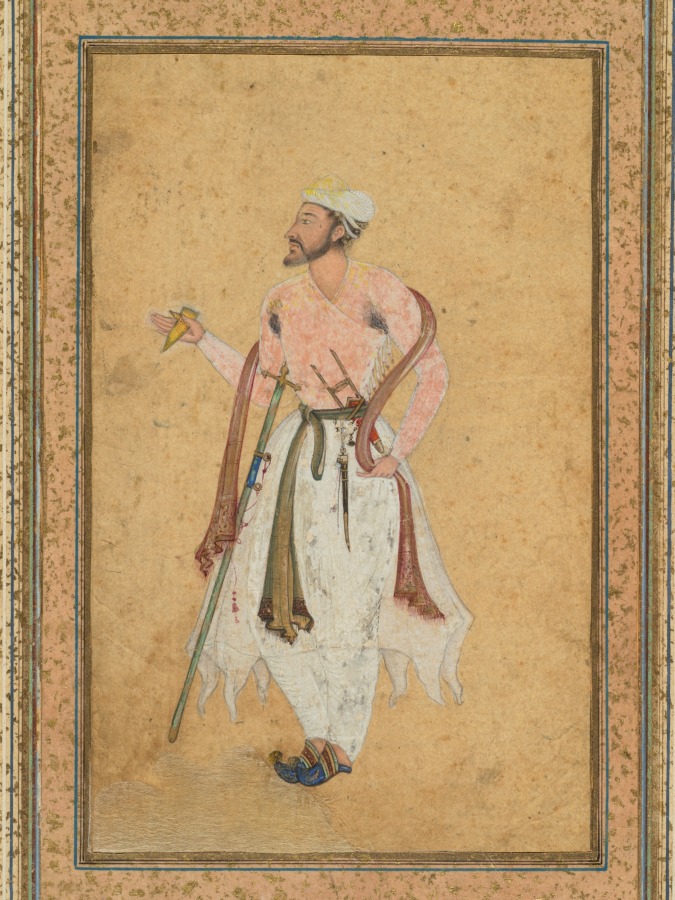 ↗
A Mughal courtier
Creator not recorded
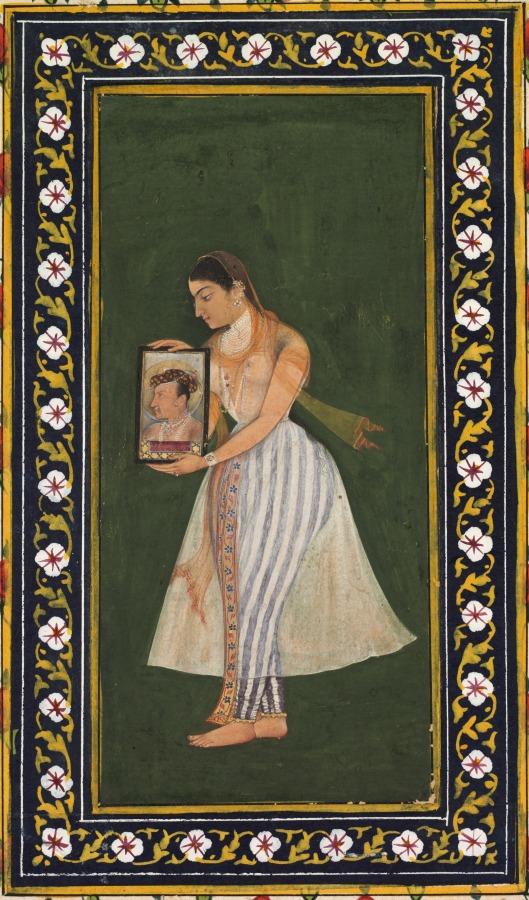 ↗
Nur Jahan holding a portrait of Emperor Jahangir
Creator not recorded
Movement and school labels are interpretive tools. Individual works can cross boundaries, and an artist’s entire career is not assigned to a single movement.