EXPLORE / MAKING
Ceramics
Clay becomes ceramic through firing. Different clay bodies, temperatures, surface treatments and glazes create a wide range of appearances.
THE TOOLKIT
Clay · shaping tools · kiln · optional glaze
WHAT TO LOOK FOR
Notice the relationship between shape and surface. Look for traces of modelling, incisions, painted decoration or glaze.
READ FURTHERMuseum learning resource ↗
A simplified process; practices vary across places and periods.
From material to image.
- 01
Shape the clay
- 02
Allow it to dry
- 03
Fire in a kiln
- 04
Decorate or glaze
Find it in the collection
 ↗
Central Andes (Peru), Recuay people · 1–700 CE
Architectural Vessel
Creator not recorded
 ↗
Korea, Joseon dynasty (1392–1910) · 1700s
Jar with Dragon Design
Creator not recorded
 ↗
Pakistan, probably Quetta, Indus Valley Civilization · c. 2800–2500 BCE
Jar with Four Ibex
Creator not recorded
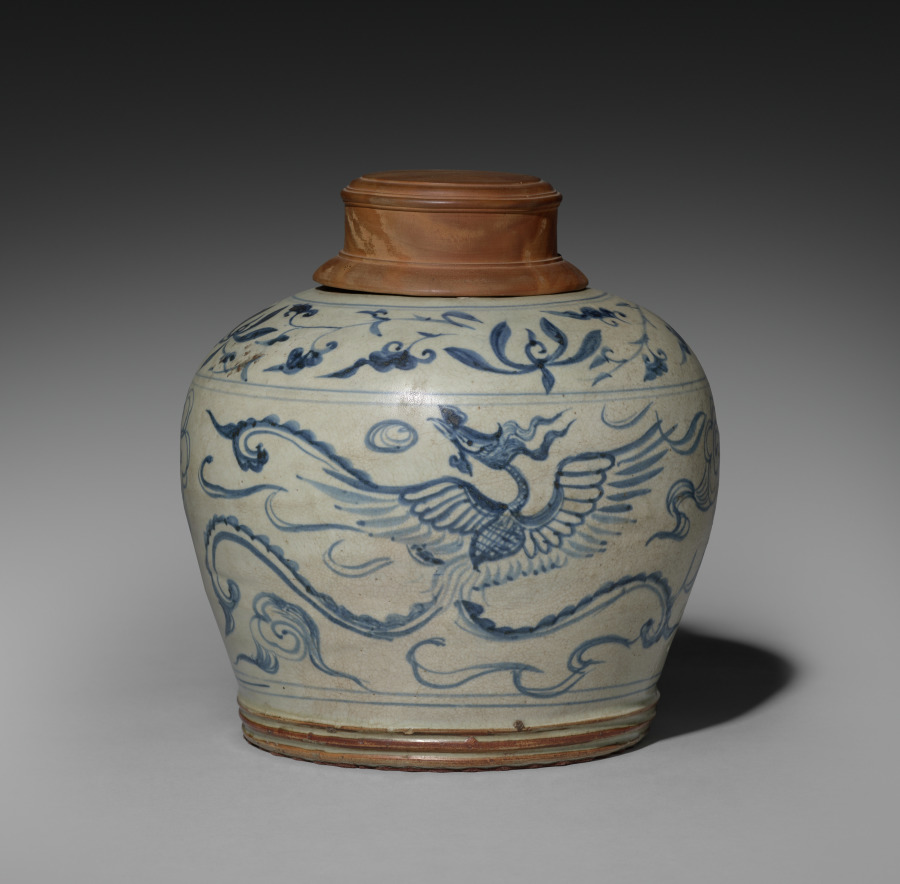 ↗
Vietnam · 1500s–1600s
Covered Jar
Creator not recorded
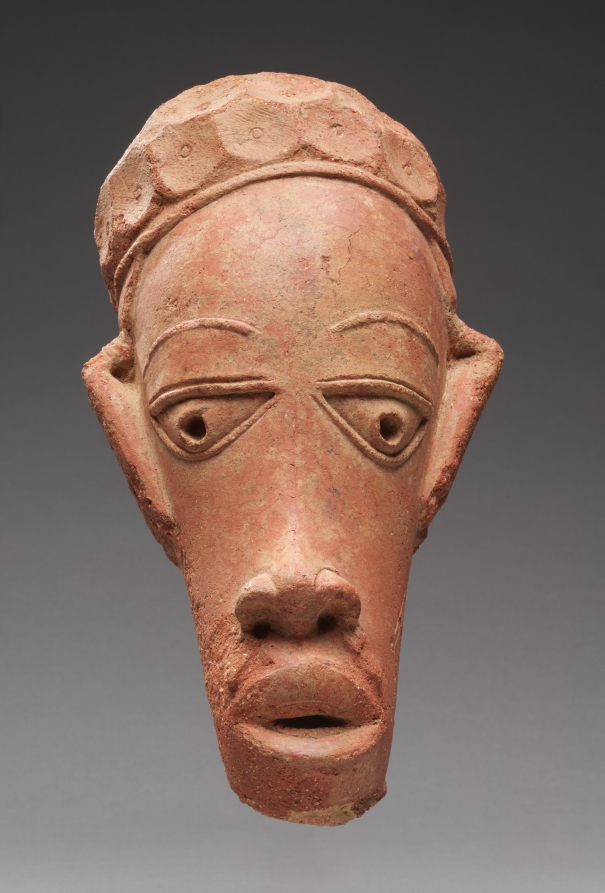 ↗
Africa, West Africa, Nigeria, Nok-culture style region, unknown female ceramicist · thermoluminescence date 20–620 CE
Head
Creator not recorded
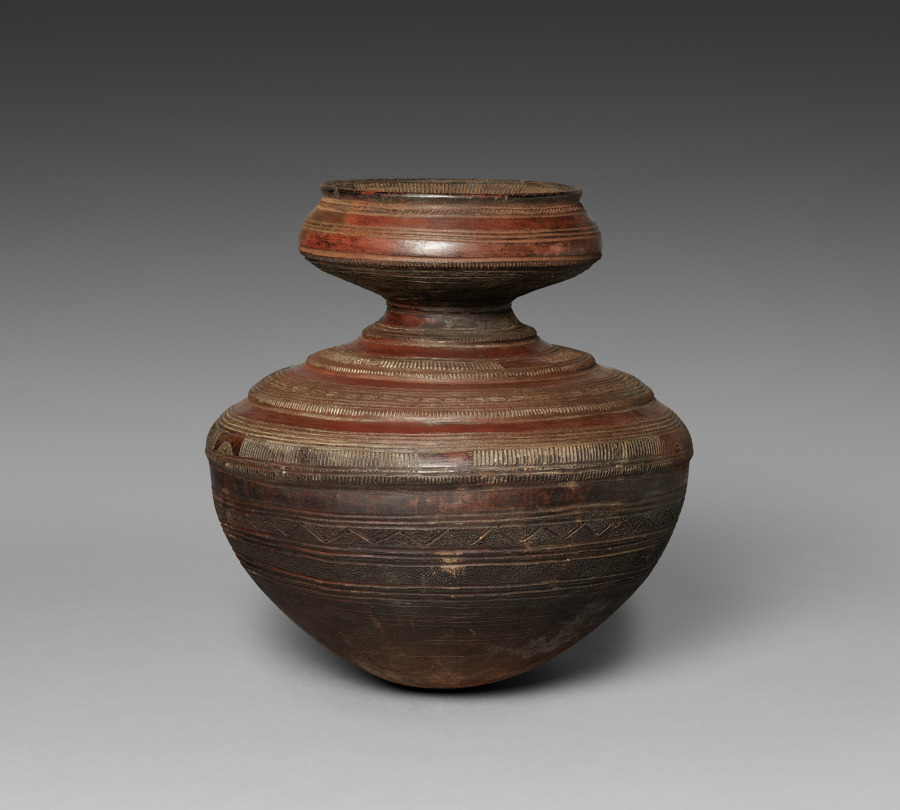 ↗
Africa, West Africa, Nigeria, Nupe-style pottery, unknown female potter · 1900s
Water Transport Jar
Creator not recorded
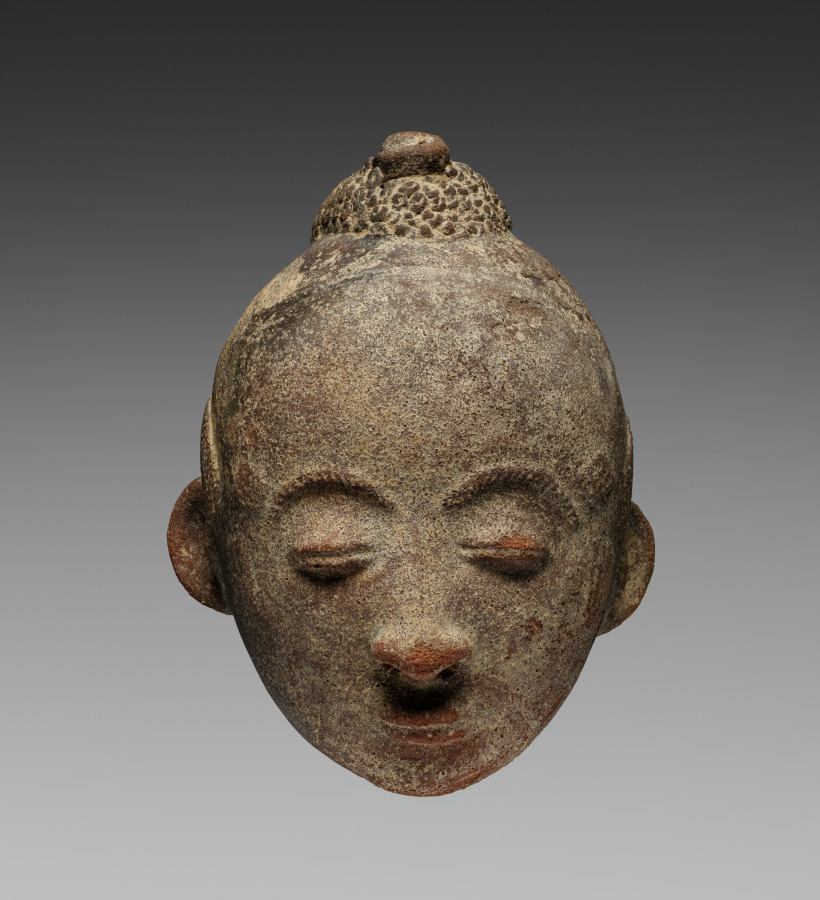 ↗
Ghana, Akan-style sculpture, unknown female ceramicist · late 1600s–early 1700s
Memorial head (nsodie)
Creator not recorded
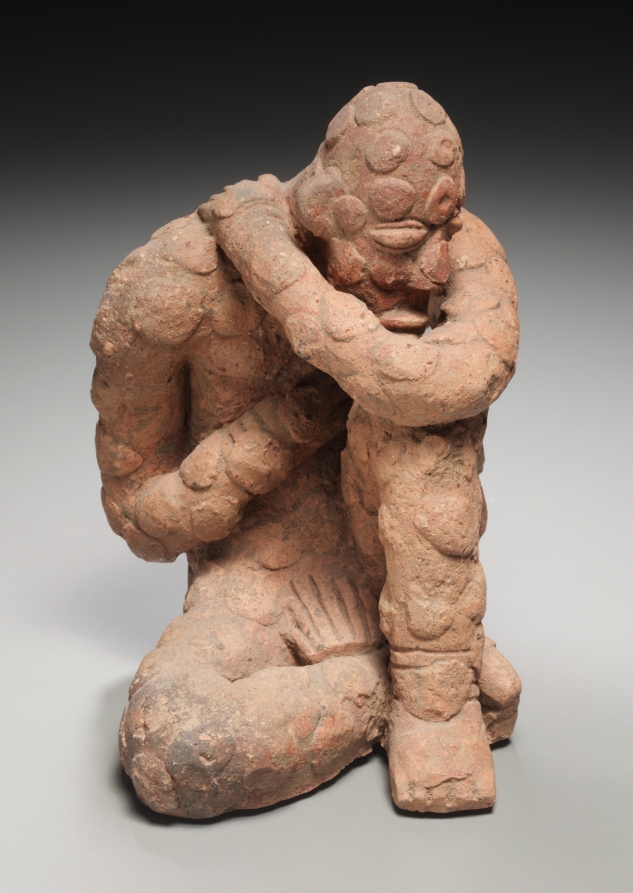 ↗
Africa, West Africa, Mali, probably Djenné-Djenno, Inland Niger Delta culture-style maker · possibly 1300s–1600s
Male Figure
Creator not recorded
 ↗
Peru, North Coast, Moche style · 200–550 CE
Portrait Head Vessel
Creator not recorded
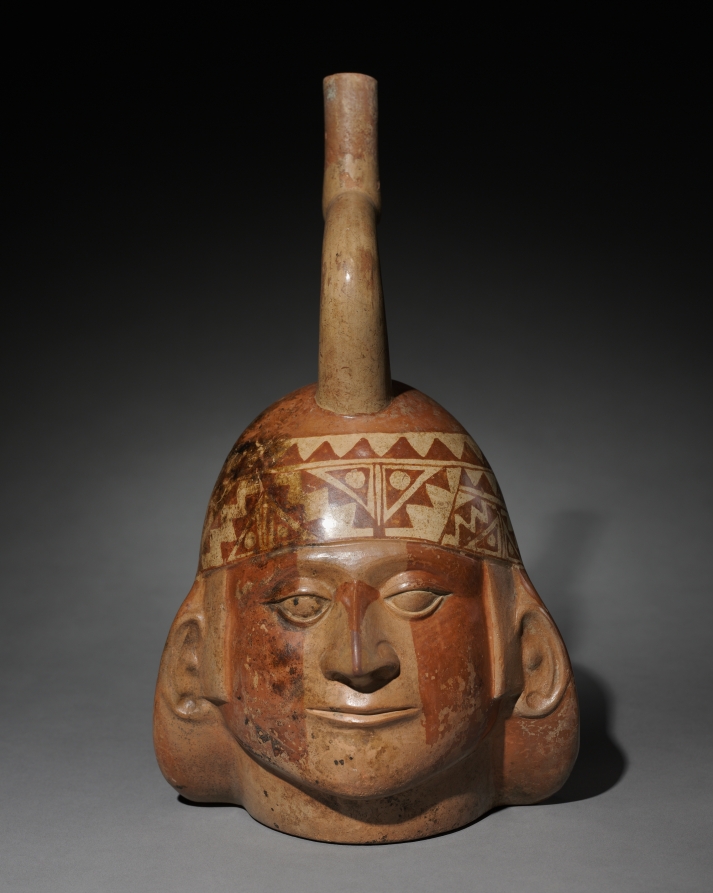 ↗
Peru, North Coast, Moche style · c. 200–550 CE
Portrait Head Vessel
Creator not recorded
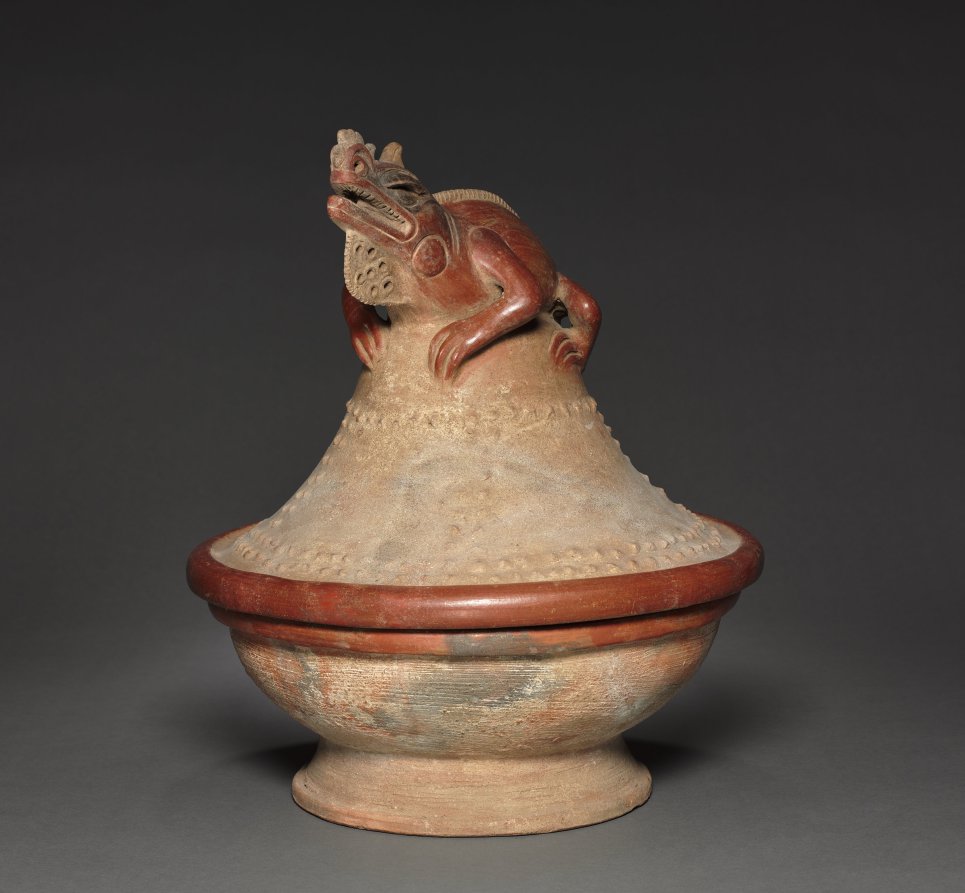 ↗
Costa Rica, Southern Nicoya region · c. 600–1100 (Thermoluminescence date, 995–1395)
Lidded Bowl with Iguana
Creator not recorded
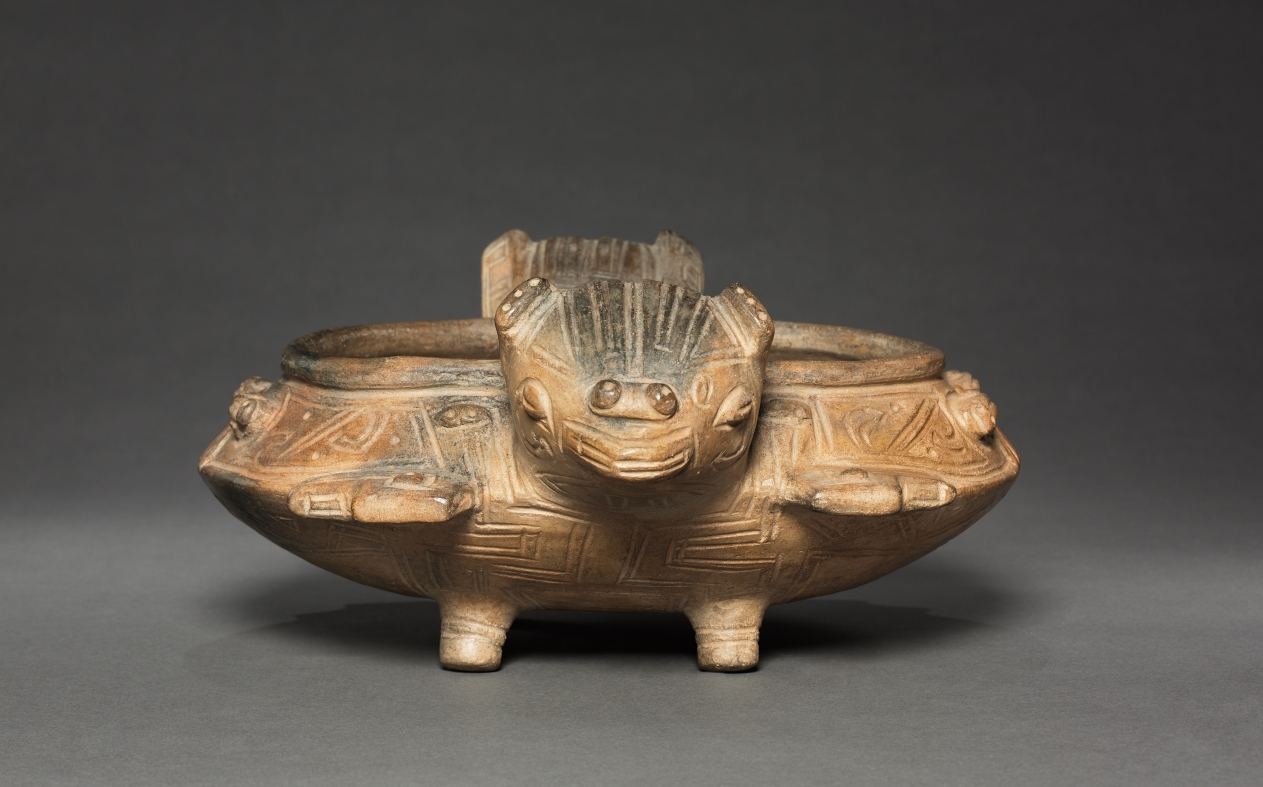 ↗
Colombia, Tairona · c. 900–1550 (thermoluminescence date, 810–1310)
Double-Bat Bowl
Creator not recorded
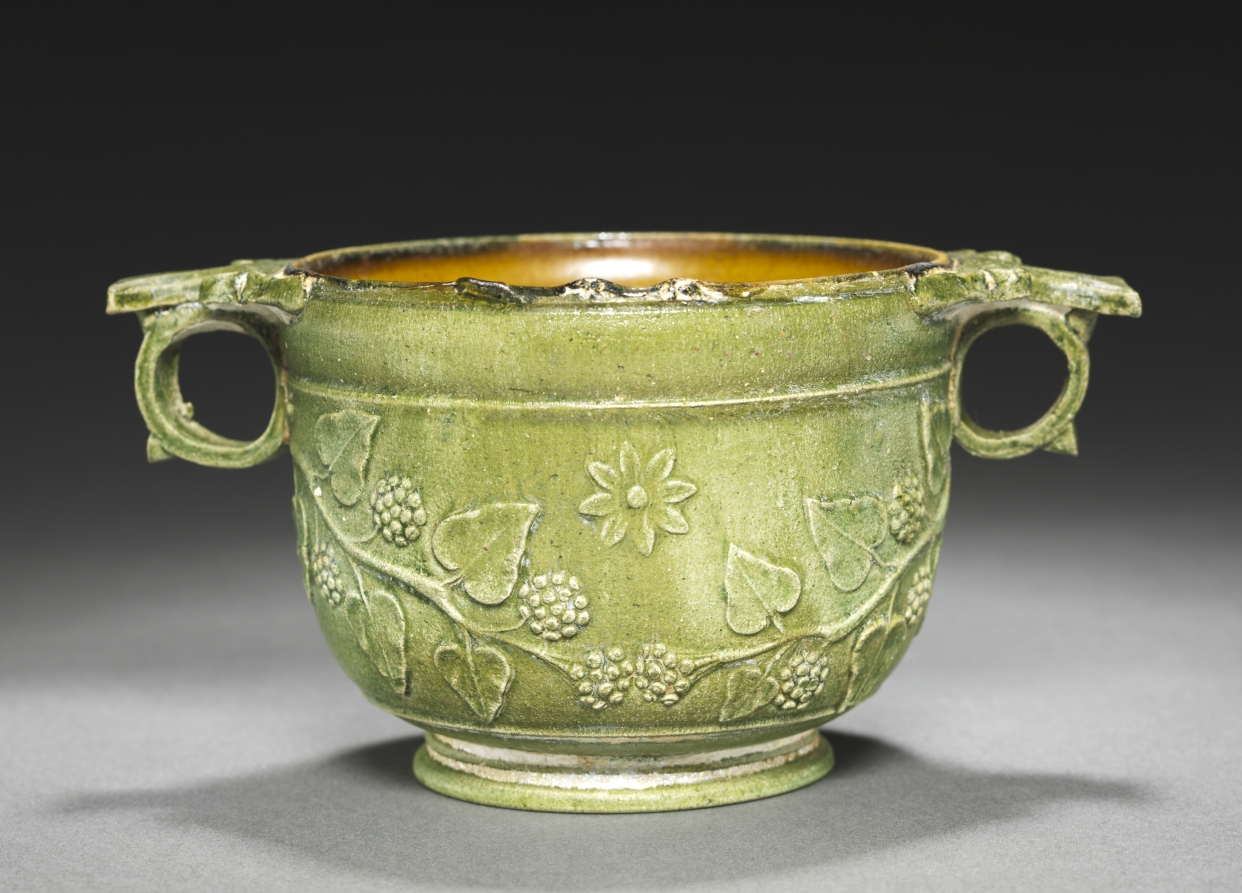 ↗
probably Turkey, Roman · 1–100 CE
Skyphos
Creator not recorded