c. 1880s–1910s
Dates overlap and vary by place; they are not strict boundaries.
Retrospective grouping
A movement, period and school are different kinds of historical grouping.
Associations are checked against museum records rather than assigned from dates alone.
Why it emerged
In the late nineteenth century, painters developed different responses to Impressionism’s emphasis on immediate perception. Some sought firmer structure; others used colour for emotion or symbolism. Post-Impressionism is a retrospective umbrella, popularised by Roger Fry’s 1910 exhibition, not a group whose members shared one programme.
Key artists and contributions
Paul Cézanne
Built pictorial structure through colour relationships and subtly shifting viewpoints.
Vincent van Gogh
Made rhythmic marks and intensified colour carry emotional force.
Paul Gauguin
Developed flat colour and symbolic imagery; his Tahitian pictures also require scrutiny of colonial power.
What changed afterwards
Cézanne’s spatial investigations mattered to Cubism, while Van Gogh’s and Gauguin’s expressive colour offered resources to Fauvist and Expressionist artists. These are different paths of reception, not evidence that all three pursued the same destination.
Sources and further reading
Original educational overview, informed by the resources below. Artist examples are selective; they are not a complete membership list.
Works in this collection
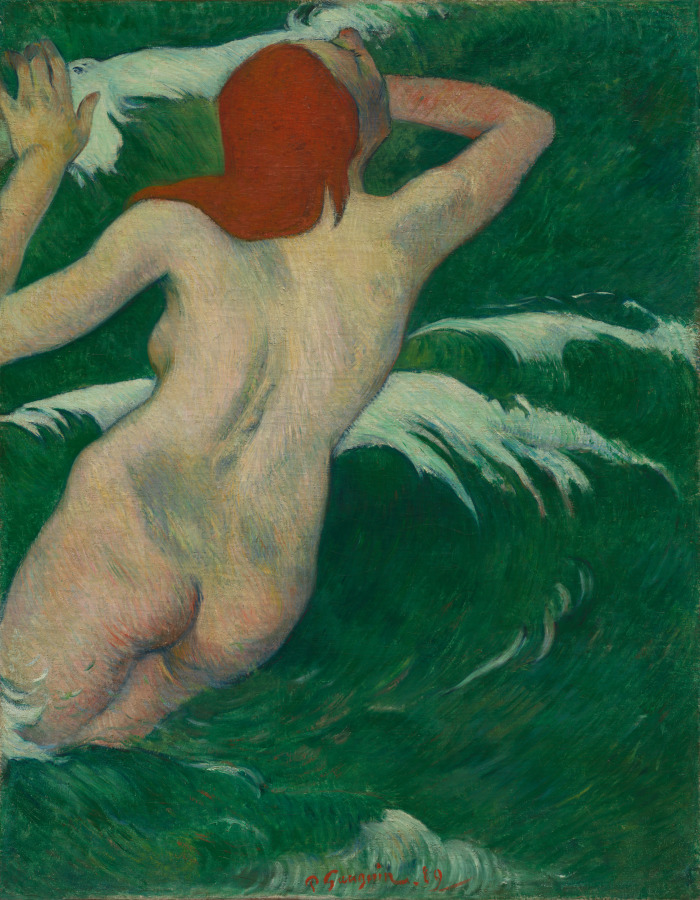 ↗
In the Waves (Dans les Vagues)
Paul Gauguin
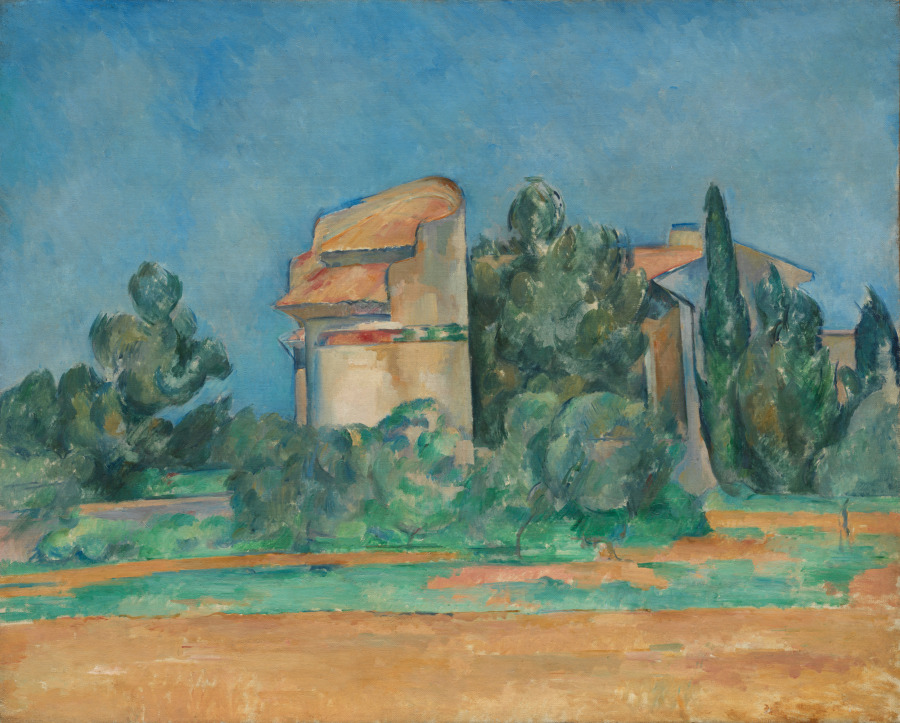 ↗
The Pigeon Tower at Bellevue
Paul Cezanne
 ↗
Adeline Ravoux
Vincent van Gogh
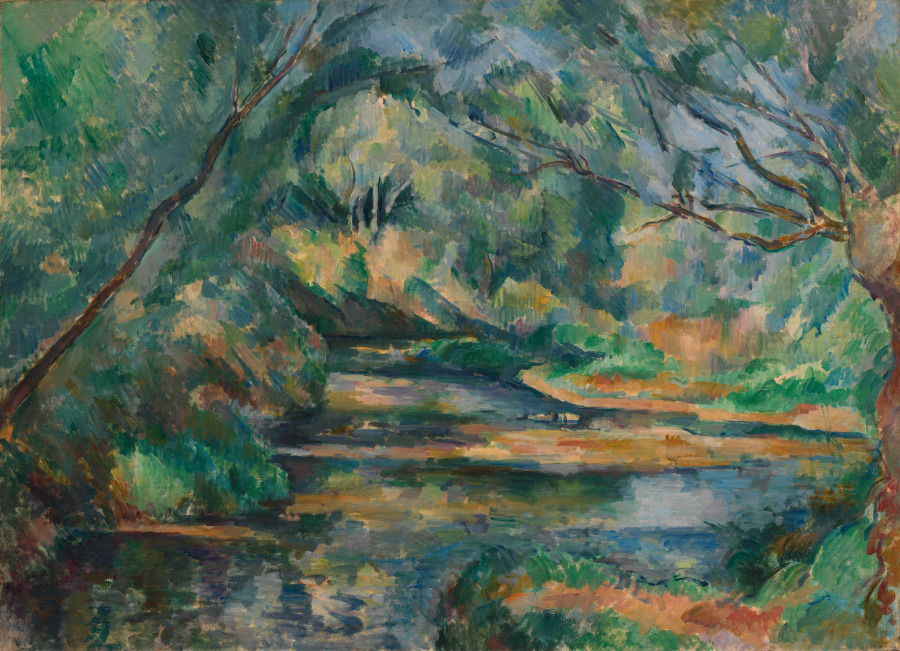 ↗
The Brook
Paul Cezanne
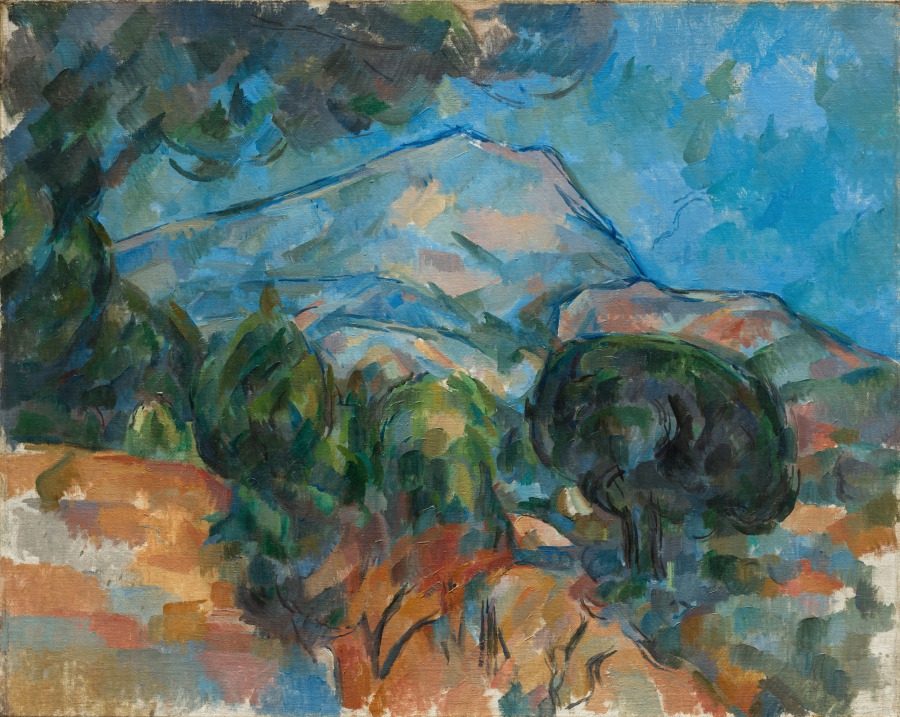 ↗
Mount Sainte-Victoire
Paul Cezanne
Movement and school labels are interpretive tools. Individual works can cross boundaries, and an artist’s entire career is not assigned to a single movement.