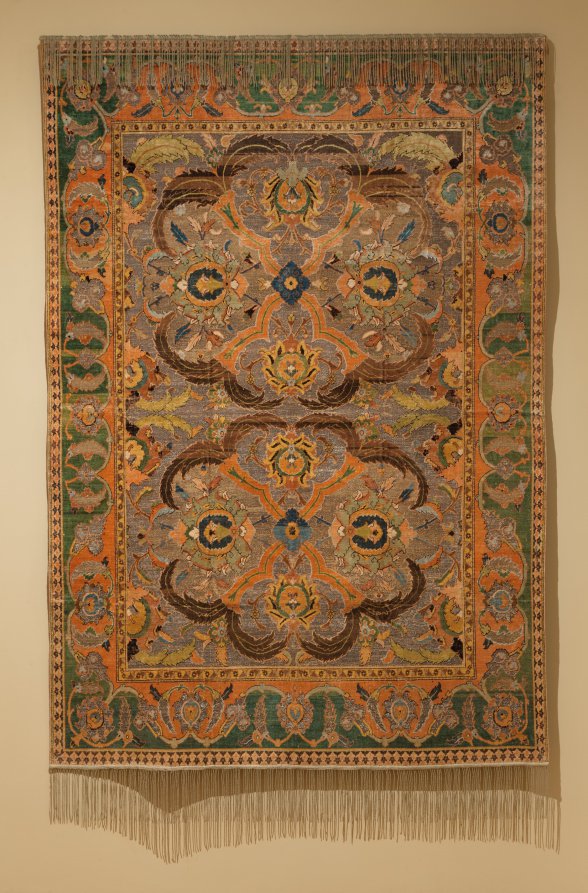
 ↗
Iran, Isfahan, Safavid period (1501-1722) · 1600–1625
Royal Carpet with Silk and Metal Thread
Creator not recorded
Purchase from the J. H. Wade Fund · The Cleveland Museum of Art
Image: public domain (CC0) · Museum record & image source ↗
Creator not recorded by the museum
The highlight of the cup’s decoration is the inscription around the rim, which you see on the walls around you, with letters composed of human figures, animals, and birds. This is known as animated script and it developed in northeast Iran or Afghanistan during the mid-1100s and migrated westward. The inscription on the rim of the Wade Cup is the pinnacle of this form of script with its full-figure animation. The body of the cup is covered with interlacing bands of compartments containing tiny figures of humans and animals. These represent the 12 signs of the zodiac from astrology, the practice of interpreting the influence of planets and stars on earthly affairs. Astrology began in Mesopotamia, was adopted by the Greeks, and then absorbed into medieval Islamic culture through translations of Greek texts.
Collection text · The Cleveland Museum of Art · CC0Start with what you can see: shapes, surface, colour and scale. How might the listed materials affect the way this object was made and experienced?
Looking prompt · an invitation to observe, not a historical interpretation.↗Creator not recorded
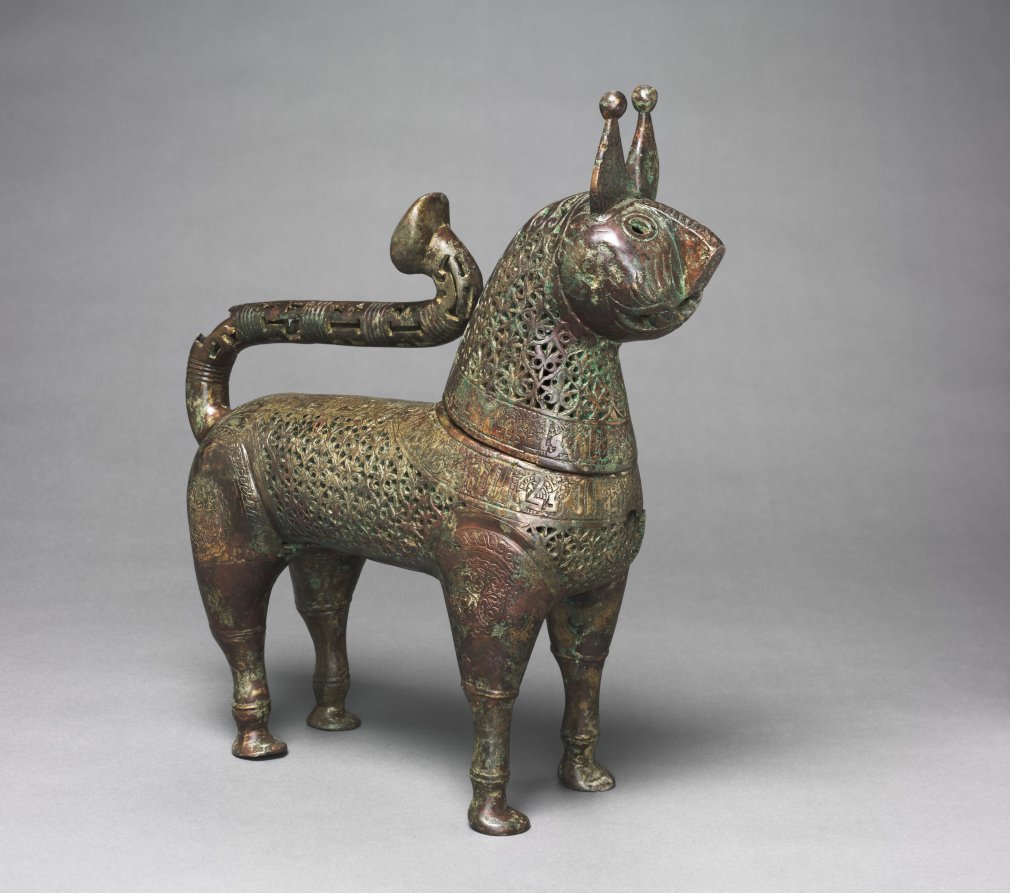 ↗
Creator not recorded
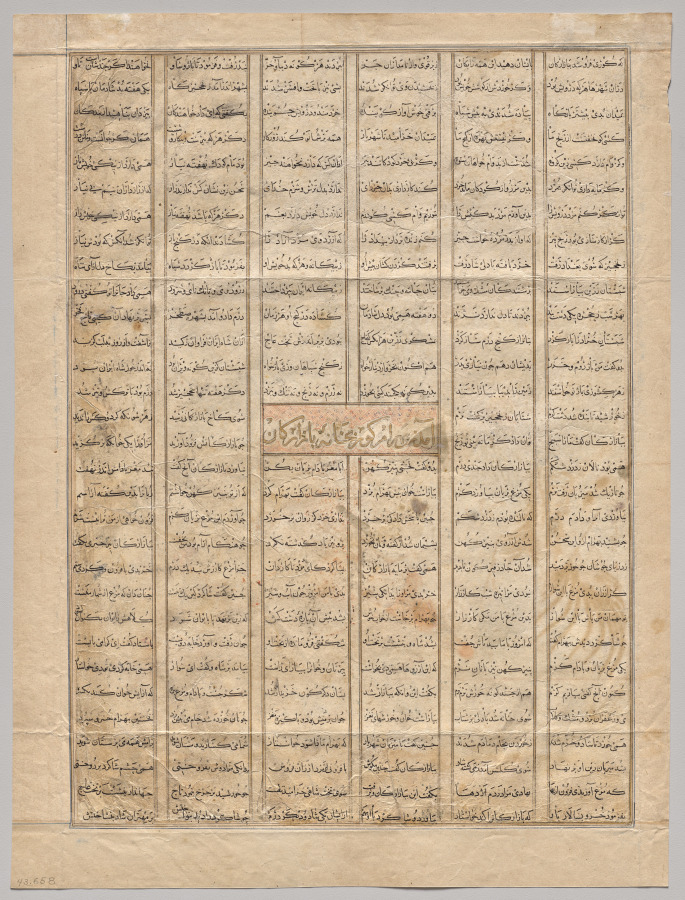 ↗
Creator not recorded
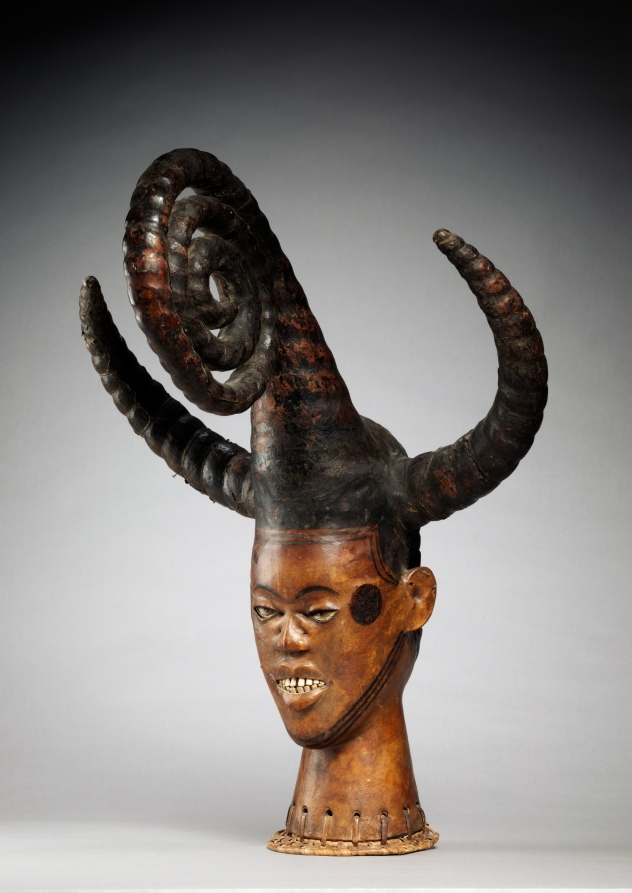 ↗
Creator not recorded